The Wide Time Method
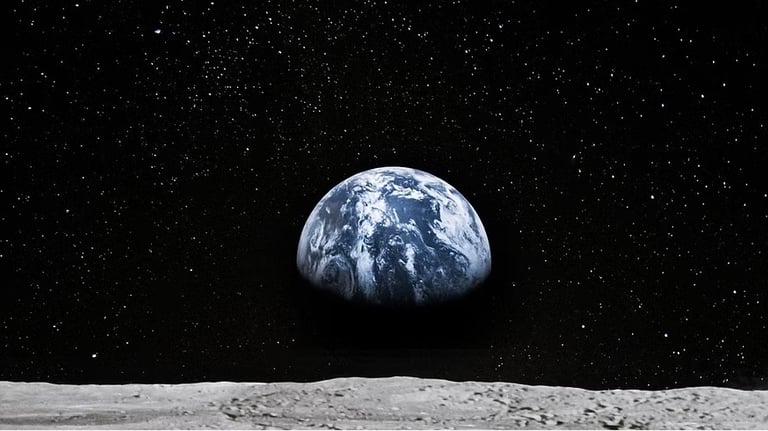
Wide Time is a temporal framework Gioia created to help astronauts navigate long-term missions in Space. It shifts focus from counting mission days to track experiences, fostering reflection and strengthening mission purpose. Check its Earth application here.
The Wide Time Method applies this concept to business, by rethinking our relationship with time and challenging the assumptions that shape our environment to boost innovation, transformation, and systemic thinking.
The Wide Time method is anchored in 3 steps:
See the Whole System
Zoom out to understand
interconnections and patterns. View your organization as an ecosystem, not isolated parts.
Question the Basics
Challenge outdated assumptions. Pause to re-examine what you do, why, and how.
Design for People
Keep solutions human-centered. Focus on experiences that foster deep thinking. Build a shared vision of the future.


Wide Time Principle
Question the basics
Innovation begins by challenging the foundations.
In fast-moving systems, many processes run on legacy structures and outdated assumptions that no longer serve their purpose. This principle invites organisations to reimagine their fundamentals to stay relevant, to pause and re-examine what they do, why they do it, and how they do it.
Just as astronauts must rethink the basics of eating, sleeping, and tracking time in space.
Mars Society Principle
Teach future literacy
Every bold change needs a shared vision of the future.
A clear, collective vision not only guides innovation but also sustains momentum when challenges arise. It gives people something to hold onto when the path ahead feels uncertain. Organisations need to build innovation by starting with future literacy: the capacity to think long-term, anticipate shifts, and inspire purpose beyond the immediate "now".
Even third generations living on Mars must understand their roots and what brought them there in the first place.
Spacesuit Principle
Keep it human-centred
innovation should never be driven by technology for its own sake. Instead, solutions must be desirable, impactful, accessible, and intuitive. When facing complex problems, start from the perspective of the person using the system or product. This focus narrows attention to simplicity and value-adding details that address the core problem allowing technical complexity to follow, rather than dictate, the solution.
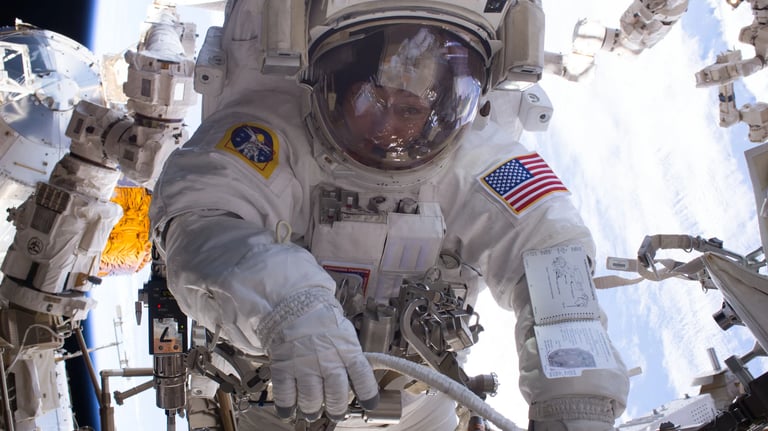
The complex nature of Space necessitates extremely advanced technology, used in extreme environmets, and yet, handled by people.
Delayed Connectivity Focus on the experience
Foster moments of focus and intentional disconnection, by promoting design systems and experiences that cultivate reflection and flow, rather than distraction. It’s about slowing down to think deeply because insight and innovation often arise in the pauses. Develop and foster environments that enhance creativity, cognitive performance, and the quality of decision-making.
In space, communication is never instant. Astronauts and mission teams need to rely on different rhythms of communication.
Developed following 4 principles:

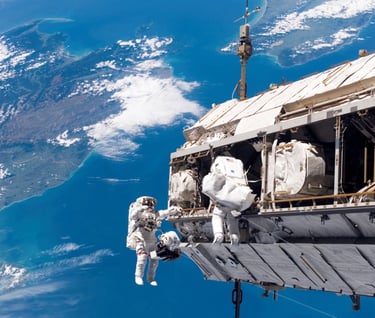
Predict the future by creating it
Ecosystems impacted by new concepts of time
Still wondering why starting from questioning time? Here are a few examples showing how time is a tool that shapes systems
"Time-well spent" Meta´s time unit
An algorithm designed to track and optimize users’ time on Meta’s platforms, increasing users´ meaningful engagement, retention, and ad revenue.


GMT standardized time reference
The Greenwich Mean Time system, a system unifying timekeeping worldwide, improving navigation, communication, and coordination across countries. Currently being developed also for the Moon (LTC- Coordinated Lunar Time)
A monumental timekeeping device designed to run for 10,000 years, encouraging long-term thinking and planning beyond human lifespans.
Clock of the Long Now




Connect
Empowering organizations through Space
© 2025. All rights reserved.